
Testosterone Replacement Therapy (TRT) in Singapore
Low testosterone may be more common than many men realise. A clinic-based health screening of 1,000 men in Singapore found that 26.4% had some form of androgen deficiency or low testosterone.1
Testosterone Replacement Therapy (TRT) is a medical treatment used to restore testosterone levels in men with a confirmed deficiency.
If you are concerned that low testosterone may be affecting your health, you do not have to navigate the uncertainty alone. At LG Endocrinology, our andrology specialist can assess your concerns and advise whether TRT may be suitable for you.
What Is Testosterone Replacement Therapy?
Testosterone replacement therapy (TRT) is used to treat male hypogonadism, a condition in which the body does not produce enough testosterone. It supplements the body’s natural hormone production, with the aim of restoring testosterone to a healthy physiological range.
Hypogonadism may be primary, where the problem originates in the testes, or secondary, where the pituitary gland or hypothalamus does not send the appropriate hormonal signals. Identifying the type and cause is important because some underlying or reversible factors should be addressed before TRT is considered. The treatment is intended to correct a confirmed hormone deficiency, not to counter the natural effects of ageing.
What Are the Signs That You May Have Low Testosterone?
The signs of low testosterone can vary and may develop gradually. Possible signs include:
- Reduced sex drive: You may notice a persistent decline in your interest in sexual activity.
- Changes in erectile function: Low testosterone may contribute to fewer spontaneous erections or difficulty getting and maintaining an erection. However, erectile dysfunction can have several other causes.
- Low energy levels: You may feel persistently tired or have less stamina than usual.
- Changes in mood or concentration: Some men experience irritability, low mood or difficulty focusing.
- Reduced muscle mass and strength: Testosterone deficiency may gradually affect muscle development and physical strength.
- Fertility difficulties: Low testosterone may be associated with reduced sperm production, which can make it harder to conceive.
- Breast enlargement or tenderness: Hormonal changes may contribute to the development of gynecomastia.
- Reduced body hair: You may notice less facial or body hair over time.
These signs can also occur with sleep disorders, certain medications, chronic illnesses and other hormonal conditions. Symptoms alone are therefore not enough to diagnose low testosterone.
How Is Low Testosterone Diagnosed?
A diagnosis of male hypogonadism generally requires relevant symptoms or signs together with consistently low testosterone levels. Testing usually begins with at least two early-morning testosterone blood tests performed on separate days.
Depending on your results and medical history, further tests may assess:
- Total testosterone
- Free testosterone or sex hormone-binding globulin (SHBG)
- Luteinising hormone (LH)
- Follicle-stimulating hormone (FSH)
- Prolactin
- Full blood count
- Thyroid function
These help your doctor identify whether the cause involves the testes, the pituitary gland or another health condition.
What Are the Benefits of Testosterone Replacement Therapy?
For men with confirmed hypogonadism, restoring testosterone levels may improve certain symptoms and aspects of physical health. Individual responses vary, and not everyone will experience the same effects.
Enhanced energy and wellbeing
Correcting a testosterone deficiency may help ease low mood in some men. Improvements in fatigue and energy levels are less consistent, so these effects are not guaranteed.
Improved sexual function and libido
When low testosterone is contributing to reduced libido, TRT may improve sexual desire and activity. Its effect on erections can vary, as erectile difficulties may have other causes.
Increased muscle mass and improved body composition
TRT may increase lean muscle mass and reduce fat mass in men with testosterone deficiency. Any improvement in strength varies between individuals, and treatment is not a substitute for regular exercise and a balanced diet.
Improved bone density
In men with testosterone deficiency, TRT may increase bone mineral density, particularly in the spine and hip. However, those with osteoporosis may still require a separate assessment and appropriate osteoporosis treatment, as TRT has not been shown to reduce fracture risk.
Who May Not Be Suitable for Testosterone Replacement Therapy?
TRT may not be appropriate, or may need to be delayed, in certain situations. These include:
- Trying to conceive in the near future
- Known or suspected prostate or male breast cancer
- A significantly elevated red blood cell count
- Severe untreated obstructive sleep apnoea
- Severe urinary symptoms
- Uncontrolled heart failure
- A recent heart attack or stroke
- Certain conditions that increase the risk of blood clots
TRT can suppress the hormonal signals needed for sperm production and significantly reduce fertility. If you plan to have children, tell your doctor before starting treatment, as another approach may be more suitable.
It is important to note that suitability for this treatment depends on your individual health and risk factors. Your doctor will discuss the potential benefits and risks before recommending treatment.
What Are the Options for Testosterone Replacement Therapy in Singapore?
TRT is available in several forms, each delivering testosterone into the body differently. At LG Endocrinology, our andrologist will assess your needs and recommend a suitable option and dosing schedule as part of a personalised treatment plan.
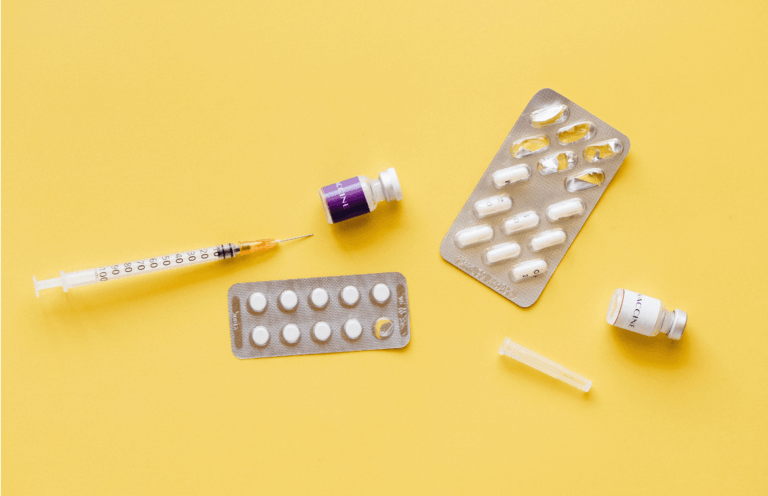
Injections are usually administered into a muscle by a healthcare professional during a clinic appointment. Short-acting forms may be administered every 1 to 2 weeks, while some long-acting injections are given approximately every 10 to 14 weeks after the initial dose.
Applied directly to clean, dry skin once a day, gels or prescribed creams allow testosterone to be absorbed into the bloodstream. Even after the product has dried, some testosterone may remain on the skin, so the application site should be covered with clothing to reduce the risk of transfer through direct contact.
Oral testosterone is taken by mouth in capsule or tablet form. It is usually taken daily, sometimes in divided doses, with the exact schedule and instructions varying between formulations.
How Much Does Testosterone Replacement Therapy Cost in Singapore?
At LG Endocrinology, a first consultation of up to 30 minutes costs $150–$200 on weekdays and $180–$230 on weekends or the eve of a public holiday.
The price of testosterone replacement therapy in Singapore depends on the type of treatment prescribed and its dosing schedule. Your doctor can explain the expected fees after determining which option is suitable for you.
What Are the Side Effects and Risks of Testosterone Replacement Therapy?
As with any medical treatment, TRT can cause side effects and may require additional monitoring. The likelihood and severity of these effects may depend on the formulation, dose and individual response. Possible side effects include:
- Acne or oily skin
- Increased red blood cell count: TRT can cause an excessive rise in haemoglobin or haematocrit, known as erythrocytosis. Regular blood tests may be needed, and the dose may be reduced or paused if the level becomes too high.
- Reduced sperm production: TRT can suppress the hormonal signals that stimulate the testes, reducing fertility and potentially causing a decrease in testicular size.
- Fluid retention: Some men may experience weight gain or swelling in the hands, feet, ankles or lower legs.
- Increased blood pressure: Your blood pressure and cardiovascular history may need to be considered before and during treatment.
- Prostate or urinary changes: TRT may cause small changes in prostate volume or prostate-specific antigen (PSA) levels. Prostate assessment may therefore be recommended based on your age, symptoms and individual risk.
- Sleep apnoea concerns: TRT may not be suitable for men with severe untreated obstructive sleep apnoea. Tell your doctor if you experience loud snoring, pauses in breathing during sleep or excessive daytime sleepiness.
- Breast tenderness or enlargement
- Treatment-site effects: Injections may cause temporary discomfort. Gels can irritate the skin and may transfer to another person through direct contact, so the application instructions should be followed carefully.
Not everyone experiences side effects. Regular follow-up allows your doctor to monitor your response and adjust the treatment if necessary. If you have concerns about the possible side effects of TRT, contact us to arrange a consultation.
Our Andrologist
Dr Linsey Gani
Consultant Endocrinologist
MBBS (Aust), B Med Sci, FRACP (Endocrine), FAMS (S’pore), MPH (Harvard)
Languages: English, Mandarin, Bahasa Indonesia
Dr Linsey Gani is an experienced endocrinologist trained in diagnosing and treating andrological disorders, including low testosterone. She is a member of the Endocrine and Metabolic Society of Singapore and a Fellow of the Academy of Medicine, Singapore.
Why Choose Us?

We understand that concerns about testosterone and sexual health can be difficult to discuss. Dr Gani provides a safe, respectful space and explains your diagnosis and treatment options clearly so you can make informed decisions about your health with confidence.

Your consultation takes place in a private, confidential setting where you can speak openly about your symptoms, knowing your concerns will be treated with discretion, sensitivity, and respect.

Testosterone replacement therapy is not a one-size-fits-all treatment. Dr Gani will tailor your treatment plan to your individual health needs, monitor your progress closely, and make adjustments along the way to help you achieve the best possible outcome safely.
FAQs About Testosterone Replacement Therapy
What testosterone level is considered low?
No single result should be interpreted in isolation, as reference ranges vary between laboratories and testosterone levels change throughout the day. Diagnosis is based on relevant symptoms together with consistently low results from appropriately timed blood tests. If you are unsure how to interpret your results, contact us to arrange an assessment.
Can low testosterone cause erectile dysfunction?
Low testosterone can contribute to reduced sexual desire and erectile difficulties. However, erectile dysfunction may also be linked to blood vessel disease, diabetes, certain medications or psychological factors.
Is testosterone therapy used to treat male infertility?
Generally, no. Although testosterone is needed for normal sperm production, TRT can suppress the hormonal signals that stimulate the testes and substantially reduce sperm counts. If you are planning to have children, book an appointment to discuss suitable treatment options before starting TRT.
Does a low testosterone result always require treatment?
No, a single low result does not necessarily mean TRT is needed. Testosterone levels can be temporarily affected by illness, inadequate sleep, certain medications, obesity, changes in nutrition and the timing of the blood test.
Moreover, testosterone levels may decline with age. However, age alone is not an indication for TRT. Your doctor will assess possible causes and reversible factors before recommending treatment.
Is testosterone replacement therapy lifelong?
Not always. The duration depends on the cause of the deficiency, your response and whether the underlying condition is reversible. Regular reviews allow your doctor to reassess whether treatment is still needed.
Where can I get Testosterone Replacement Therapy (TRT) in Singapore?
TRT should be prescribed and monitored by a doctor experienced in managing hormonal conditions, such as an endocrinologist or andrology specialist. At LG Endocrinology, Dr Linsey Gani provides assessments and personalised TRT plans. Book an appointment to discuss your concerns today.
How long does it take to see improvements from testosterone replacement therapy?
The timeframe varies depending on the symptoms being treated and the prescribed treatment. Certain changes may become noticeable within the first few months, while improvements in body composition or bone density may take longer. Your response will be reviewed during follow-up appointments.
How is Testosterone Replacement Therapy (TRT) monitored?
TRT requires ongoing follow-up to check that treatment is effective and safe. Monitoring may include:
- Testosterone levels
- Haemoglobin and haematocrit, which measure red blood cells
- Blood pressure
- Changes in symptoms and treatment response
- Side effects, urinary symptoms and prostate health where appropriate
The timing of blood tests depends on the treatment used, particularly for injections. Once your dose is stable, your doctor will advise how often follow-up is needed.
Does insurance cover testosterone replacement therapy in Singapore?
Coverage depends on your insurer and policy. A private or employer-provided plan may cover part of the specialist assessment or prescribed treatment, so check directly with your insurer before starting TRT.
Can lifestyle changes help with low testosterone?
Lifestyle changes may help when low testosterone is associated with excess weight or other modifiable factors. Regular exercise and achieving a healthy weight can support testosterone levels, but may not correct a deficiency caused by a testicular or pituitary disorder. To understand whether lifestyle changes may help in your case, speak to a doctor for personalised advice.
Disclaimer
This information is provided for general education. It does not replace personalised medical advice. Please consult your doctor for guidance on the medications that may be appropriate for you.
1 Retrieved from HealthXchange
Book an Appointment
Fill out the form below to schedule your appointment.
Dr. Linsey Gani Endocrinology
10 Sinaran Drive, #10-08, Novena Medical Center, Singapore 307506
+65 6397 7101
+65 9128 7480
Monday - Friday
08:30 - 12:30
Monday - Friday
14:00 - 17:30
Saturday
09:00-12:00
Sunday & Public Holiday
Closed
Monday - Friday
08:30 - 12:30
14:00 - 17:30
Saturday
09:00 - 12:00
Sunday & Public Holiday
Closed