
Blood Sugar Level Range in Singapore: How to Check, What Is Normal and How to Interpret Results
Your blood sugar level can tell you how well your body manages glucose, one of its main sources of energy. When blood sugar levels stay too high or too low, it may affect how you feel day to day and, over time, increase the risk of health concerns such as diabetes-related complications.
In Singapore, diabetes remains a significant health concern. The prevalence of diabetes was 9.1% in 2023–2024,1 and the risk tends to increase with age. Among adults aged 50–59, the prevalence of diabetes is between 12% and 15%. For those aged 60–69, diabetes prevalence is around 21.8%, rising to around 24.2% among those aged 70 and above.2
Prediabetes is also becoming increasingly common in those 40 years and above, with 25% of adults above the age of 21 years old expected to have prediabetes by 2035. Currently, more than 400,000 people in Singapore are living with diabetes, and this number is expected to reach 1 million by 2050.3 This makes regular monitoring important, especially because abnormal blood sugar levels may not always cause obvious symptoms in the early stages.
Understanding your blood sugar level range can help you make better sense of your readings, whether they come from a home glucose meter or a clinic-based blood test. In this article, we explain how blood sugar levels are checked in Singapore, what is considered normal, and when high or low readings may need medical attention.
How to Check Blood Sugar Levels in Singapore
There are several ways to check your blood sugar levels in Singapore, from home monitoring methods such as finger-prick tests and glucose sensors to clinic-based blood tests such as fasting blood glucose, oral glucose tolerance tests, and HbA1c.
If you are checking your blood sugar for the first time or have received an abnormal reading, a doctor or endocrinologist can help you decide which test is suitable, and blood glucose testing may also be included as part of a broader health screening.
Finger Prick Test
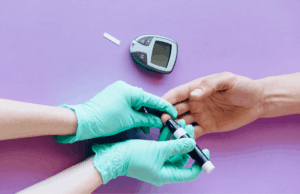
A finger-prick test checks your blood sugar level at a specific point in time. It can be done at home using a blood glucose meter, test strip, and lancet device.
To carry out the test, a small drop of blood is taken from the side of your fingertip and placed on a test strip. You may be advised to test at certain times, such as before meals, two hours after meals, before bedtime, or when you feel symptoms of low or high blood sugar.
Flash Glucose Monitoring and Continuous Glucose Monitoring
Flash glucose monitoring and continuous glucose monitoring use a small sensor placed under the skin to track glucose patterns throughout the day and night. These methods can be used at home with a glucose sensor, compatible reader, or smartphone app.
With flash glucose monitoring, you scan the sensor to see your reading. With continuous glucose monitoring, readings are sent regularly to a device or app, which may show trends and alerts. These patterns can help you and your doctor understand how food, activity, sleep, stress, or medication may affect your glucose levels.
Fasting Blood Glucose (FBG) Test
A fasting blood glucose test is an in-clinic test that measures your fasting blood sugar level after a period of fasting, usually overnight. It is commonly used to screen for prediabetes or diabetes and is usually carried out in the morning.
You may be asked to avoid food and caloric drinks for at least eight hours before the test, although plain water is usually allowed. As this is a laboratory blood test, your doctor may interpret it alongside other results if further assessment is needed.
Oral Glucose Tolerance Test (OGTT)
An oral glucose tolerance test checks how your body responds to glucose over a set period of time. It may be used when your doctor needs more information about how your body processes sugar, or during pregnancy to check for gestational diabetes.
The test usually starts with a fasting blood sample, followed by a glucose drink and another blood sample, often two hours later. Your clinic may advise you on fasting, diet, physical activity, and medication use before the test to help ensure accurate results.
HbA1c
HbA1c is a blood test that reflects your average blood sugar level over the past two to three months. It may be used to screen for diabetes, monitor diabetes control, or assess how well a treatment plan is working.
Fasting is usually not required for an HbA1c test. However, further tests may be recommended depending on your symptoms, medical history, and risk factors.
If you are unsure which blood sugar test is suitable for you, our clinic can assess your risk factors and recommend an appropriate one. Contact us to schedule an appointment for blood sugar testing in Singapore.
What Is the Normal Blood Sugar Level Range in Singapore?
Your blood sugar or glucose level range can vary depending on the type of test used and whether the reading is taken before or after food. In general, blood sugar readings are grouped into normal, prediabetes, and diabetes ranges for diagnostic tests.
If your results fall within the prediabetes range, it is important to monitor your health more closely and seek medical advice.4
Normal, Prediabetes, and Diabetes Blood Sugar Ranges
| Type of test | Normal range | Prediabetes range | Diabetes range |
|---|---|---|---|
Fasting Plasma Glucose (FPG) | Less than 6.1 mmol/L | 6.1–6.9 mmol/L | 7.0 mmol/L or higher |
OGTT, 2-hour reading | Less than 7.8 mmol/L | 7.8–11.0 mmol/L | 11.1 mmol/L or higher |
HbA1c | 6.0% and below | 6.1–6.9% | 7.0% or higher |
In Singapore, an HbA1c result of 6.1% to 6.9% may require further testing with fasting plasma glucose or a 2-hour oral glucose tolerance test (OGTT), depending on your symptoms and clinical risk factors.5 Your results will be interpreted alongside your medical history rather than relying on a single reading.
Finger-Prick Blood Sugar Reading Guide
Finger-prick readings are usually used for home monitoring rather than diagnosis. Your target range may differ depending on your age, diabetes history, medication use, pregnancy status, and overall health.6 This is a general guide to finger-prick readings:
| Type of finger-prick reading | Ideal / non-diabetic level | Optimal | Sub-optimal | Unacceptable |
|---|---|---|---|---|
Fasting Plasma Glucose (FPG) | 4.0–6.0 mmol/L | 6.1–8.0 mmol/L | 8.1–10.0 mmol/L | More than 10.0 mmol/L |
Two hours after meals | 5.0–7.0 mmol/L | 7.0–10.0 mmol/L | 10.1–13.0 mmol/L | More than 13.0 mmol/L |
A single abnormal reading does not always mean you have diabetes, as blood sugar can be affected by food, stress, illness, sleep, medication, and test timing. However, if your readings consistently fall outside the recommended range, it may be helpful to review them with an endocrinologist. They can interpret your results alongside your symptoms, medical history, and overall risk factors.
How to Interpret My Blood Sugar Level Range
Your results should be interpreted based on the type of test used, when it was taken, and your overall health profile. For in-clinic blood tests, your doctor will usually explain whether your results suggest normal blood sugar, prediabetes, diabetes, or another concern. A medical review can also help clarify whether unusual readings are due to short-term fluctuations or an underlying condition that needs further care.
Hyperglycaemia
Hyperglycaemia means your blood sugar level is higher than the recommended range. Diabetes-range results may include fasting plasma glucose of 7.0 mmol/L or higher, a 2-hour OGTT reading of 11.1 mmol/L or higher, or an HbA1c of 7.0% or higher. Possible symptoms of hyperglycaemia may include:
- Increased thirst
- Frequent urination
- Tiredness
- Blurred vision
- Slow wound healing
Persistently high blood sugar can affect the heart, kidneys, eyes and nerves over time. It may also increase the risk of complications such as diabetes-related foot disease. If your readings remain high, you may need further testing or personalised diabetes management.
Hypoglycaemia
Hypoglycaemia happens when your blood sugar level falls below the normal range. It is often defined as a blood glucose level below 4.0 mmol/L, although your doctor may set a personalised threshold depending on your condition. Possible symptoms of hypoglycaemia may include:
- Shakiness or sweating
- Hunger, dizziness, or weakness
- Headache or confusion
- A fast heartbeat
Low blood sugar may occur if you skip meals, exercise more than usual, drink alcohol, or take certain diabetes medications. If untreated, very low blood sugar can become serious because the brain depends on glucose for energy. Repeated or severe episodes should be reviewed by a doctor.
Type 1 diabetes
Type 1 diabetes is an autoimmune condition where the body produces little or no insulin. It may develop quickly, with symptoms such as increased thirst, frequent urination, unexplained weight loss, tiredness, and blurred vision. It may be identified using diabetes-range readings, alongside other clinical tests where needed.
Without enough insulin, blood sugar can rise dangerously and may lead to diabetic ketoacidosis, a medical emergency. Type 1 diabetes requires ongoing glucose monitoring, insulin treatment, and structured medical care.
Type 2 diabetes
Type 2 diabetes occurs when the body does not use insulin effectively, or when the pancreas cannot produce enough insulin. It may develop gradually, and you may not notice symptoms at first. Possible signs include increased thirst, frequent urination, fatigue, blurred vision, slow wound healing, or recurrent infections.
Type 2 diabetes may be identified using diabetes-range readings, interpreted alongside symptoms and risk factors. Over time, poorly controlled type 2 diabetes can increase the risk of heart, kidney, eye, nerve, and foot complications. Management may involve lifestyle changes, medication where appropriate, and regular monitoring.
Gestational diabetes
Gestational diabetes refers to high blood sugar that develops during pregnancy. In Singapore, it is commonly screened with an OGTT between 24 and 28 weeks of pregnancy. If you are diagnosed with gestational diabetes, care may involve monitoring, diet, physical activity, and treatment where needed.
If not managed properly, gestational diabetes can increase the risk of pregnancy and delivery complications. It may also increase the mother’s future risk of type 2 diabetes, so follow-up testing after pregnancy is often recommended.
How to Manage My Blood Sugar Levels
Managing your blood sugar levels often starts with small, consistent habits. The right approach depends on your readings, medical history, medications, and condition.
Eat Balanced Meals
To support steadier glucose levels, you may be advised to:
- Choose fibre-rich carbohydrates, lean protein, healthy fats, and non-starchy vegetables.
- Reduce sugary drinks, sweet snacks, and highly refined carbohydrates where possible.
- Work with your doctor or dietitian on a personalised meal plan if you have diabetes or prediabetes.
Stay Physically Active
Regular physical activity helps your body use glucose more effectively. Depending on your fitness level, this may include walking, cycling, swimming, or strength training. If you take insulin or medications that can lower blood sugar, check whether you need to monitor your readings around exercise.
Maintain a Healthy Weight
For some people, excess weight can make it harder for the body to use insulin effectively. A structured weight management plan may help improve insulin sensitivity and support long-term blood sugar control.
Monitor Your Blood Sugar
Monitoring your readings can help you understand how food, exercise, stress, sleep, and medications affect your glucose levels. Keeping a record of your results can also help your doctor identify patterns during follow-up appointments.
Take Medication as Prescribed
If medication is part of your treatment plan, take it as prescribed and avoid adjusting it without medical advice. Speak with your doctor if you experience side effects, repeated low blood sugar, or readings that remain high despite treatment.
Manage Sleep and Stress
Poor sleep and ongoing stress may affect hormones involved in blood sugar regulation. Regular sleep routines and stress management can support overall metabolic health alongside diet, activity, monitoring, and medical care.
If your blood sugar readings remain outside the recommended range despite lifestyle changes, consider scheduling an appointment for a personalised assessment and blood sugar management plan.
FAQs About Your Blood Sugar Level
Why do I need to monitor my blood sugar level?
Monitoring your blood sugar helps you understand how your body is managing glucose and whether your readings are consistently too high or too low. If you have prediabetes, diabetes, or risk factors such as family history, excess weight, or previous gestational diabetes, regular monitoring may help guide earlier lifestyle or treatment decisions.
Who should get a fasting blood glucose test?
A fasting blood glucose test may be recommended if you have symptoms of abnormal blood sugar, risk factors for diabetes, or previous borderline readings. It may also be part of routine health screening, especially if you have a family history of diabetes, excess weight, high blood pressure, high cholesterol, or previous gestational diabetes. If you are unsure whether you should be tested, schedule an appointment to discuss which blood sugar test may be suitable for you.
How often should I check my blood sugar level?
This depends on your health and the type of monitoring you are using. Some individuals may only need blood tests as part of their regular health screening, while those with diabetes may need more regular home checks. Your doctor can advise based on your readings, medication use, risk factors, and treatment goals.
When should I see a doctor for my blood sugar levels?
See a doctor if your readings repeatedly fall outside the recommended range, or if you experience the following symptoms:
- Increased thirst
- Frequent urination
- Unexplained weight changes
- Blurred vision
- Shakiness
- Dizziness
- Repeated low blood sugar
If you have diabetes or persistent abnormal readings, an endocrinologist can help interpret your results and recommend suitable next steps.
What are some factors that could affect my blood sugar level reading?
Your sugar level reading can be affected by:
- Food intake and meal timing
- Physical activity
- Stress
- Poor sleep
- Illness
- Dehydration or alcohol intake
- Certain medications
- Expired test strips
- Unwashed hands
- Incorrect testing technique
In some cases, hormonal or metabolic conditions such as PCOS/PMOS may also affect blood sugar regulation, so repeated unusual readings should be reviewed with a doctor.
Can I still have blood sugar issues if I am slim?
Yes. Although excess weight is a well-recognised risk factor for type 2 diabetes, being slim does not always mean your blood sugar levels are normal. In Singapore and other Asian populations, diabetes can still occur in people with a normal body weight because blood sugar regulation is affected by more than weight alone.
Other factors that may affect your risk include:
- Family history of diabetes
- Ageing
- Reduced insulin production by the pancreas
- Increased abdominal or visceral fat, even with a normal BMI
- Previous gestational diabetes
- History of PCOS/PMOS
- Certain medications or medical conditions
- A sedentary lifestyle
Some people may appear slim but have more fat stored around the internal organs, also known as visceral fat. This can contribute to insulin resistance and affect blood sugar control. If you are unsure about your risk, contact us to schedule an appointment and discuss whether blood sugar testing may be necessary for you.
Disclaimer
This information is provided for general education. It does not replace personalised medical advice. Please consult your doctor for guidance on the medications that may be appropriate for you.
1Retrieved from the Ministry of Health
2Retrieved from the Diabetes Singapore
3Retrieved from Lloyd’s Register Foundation Institute for the Public Understanding of Risk, National University of Singapore
4Retrieved from HealthHub
5Retrieved from Primary Care Pages Singapore
6Retrieved from HealthHub

Dr Linsey Gani is an endocrinologist experienced in conditions related to hormonal imbalances, including those affecting fertility, menstrual health, and reproductive function. Dr Gani completed her residency in Melbourne, Australia. She is a fellow of the Royal Australian College of physician and the Academy of Medicine, Singapore.
Related Articles
Fatty Liver Disease in Singapore: Understanding MASLD, Its Causes, Symptoms and Treatment
Fatty Liver Disease in Singapore: Understanding MASLD, Its Causes, Symptoms and Treatment Fatty liver disease is estimated to affect up
HbA1c Test in Singapore: What Is It, What Is a Normal Range and How to Interpret Results
HbA1c Test in Singapore: What Is It, What Is a Normal Range and How to Interpret Results HbA1c is a

Polyendocrine Metabolic Ovarian Syndrome (PMOS): What Is It and Is It the Same As PCOS?
Polyendocrine Metabolic Ovarian Syndrome (PMOS): What Is It and Is It the Same As PCOS? If you have heard of