
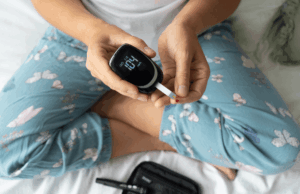
Prediabetes: Early Warning Signs You Should Know and When to See a Doctor
Prediabetes is becoming increasingly common in Singapore, with studies from the National University of Singapore estimating that around 40% of Singaporeans may have prediabetes1. Despite its prevalence, it often goes unnoticed because symptoms tend to be mild or completely absent in the early stages.
Recognising the early warning signs of prediabetes and understanding when to seek medical advice can help prevent long-term health complications. In this article, we explore the symptoms, causes, risk factors, and management options for prediabetes.
What Is Prediabetes?
Prediabetes is a condition where blood sugar levels are elevated but not yet high enough to be diagnosed as type 2 diabetes. It is often considered a warning stage that signals the body is beginning to have trouble regulating blood sugar effectively.
Even at the prediabetes stage, long-term damage to the body may already begin to develop. High blood sugar levels can start affecting the heart, blood vessels, kidneys, and nerves, increasing the risk of future health complications if left untreated. Without proper lifestyle changes or medical management, prediabetes can progress to type 2 diabetes over time.
The good news is that this stage also presents an important opportunity to prevent or delay diabetes through healthier habits such as improving diet, increasing physical activity, and maintaining a healthy weight.
Forms of Prediabetes
Prediabetes is not a single uniform condition, as different individuals may develop abnormalities in different aspects of glucose regulation. The main types 2 include:
Impaired Fasting Glucose (IFG)
IFG occurs when fasting blood sugar levels are elevated after an overnight fast. It is often linked to the following metabolic imbalances:
- Insulin resistance in the liver
- Increased glucose production overnight
- Early metabolic dysfunction
Individuals with IFG may still have relatively normal glucose handling after meals, which points to an isolated impairment in fasting glucose regulation.
Impaired Glucose Tolerance (IGT)
IGT refers to blood sugar levels becoming elevated after eating or during a glucose tolerance test. It is commonly associated with reduced insulin sensitivity in muscle tissues and difficulty processing glucose efficiently after meals.
In contrast to IFG, individuals with IGT may have normal fasting glucose levels but abnormal post-meal glucose control.
HbA1c-Defined Prediabetes
HbA1c is a blood test that reflects average glucose levels over approximately 3 months. It has been increasingly used internationally as a tool to identify individuals at increased risk of developing diabetes.
Unlike fasting glucose tests, HbA1c does not require fasting and provides a broader picture of long-term blood sugar control rather than a single point-in-time reading. An elevated HbA1c level may suggest that the body is becoming less effective at regulating blood sugar levels, even if symptoms are not yet present.
However, different organisations may use slightly different HbA1c thresholds and terminology when defining prediabetes. For example, two commonly used HbA1c guidelines are:
- American Diabetes Association (ADA): Defines prediabetes as an HbA1c between 5.7% and 6.4%, using a broader range to support earlier detection and preventative intervention in individuals at increased metabolic risk.
- International Expert Committee (IEC): Defines prediabetes as an HbA1c between 6.0% and 6.4%, focusing on identifying individuals who may already have a higher risk of progressing to diabetes.
In Singapore, diagnosis and screening practices often take a more contextual and individualised approach instead of relying solely on HbA1C thresholds alone. This is important as HbA1c can sometimes be influenced by:
- Ethnicity
- Anaemia
- Haemoglobin disorders
- Kidney disease
- Variations in red blood cell turnover
As a result, HbA1c is often interpreted alongside clinical history and other glucose measurements, such as the aforementioned fasting blood glucose and oral glucose tolerance test (OGTT).
The Singapore approach generally interprets HbA1C results as follows3:
| HbA1c result | Suggested interpretation |
|---|---|
≤ 6.0% | Low probability of diabetes |
6.1 – 6.9% | Either of these further tests is recommended:
|
≥ 7.0% | High probability of diabetes |
What Are the Signs of Prediabetes?
Prediabetes often develops quietly, and many people do not experience noticeable symptoms. However, some subtle warning signs may appear in certain individuals.
Possible early signs of prediabetes include:
- Darkened skin patches, especially around the neck, armpits, or groin
- Blurry vision
- Mild fatigue or low energy levels
- Slight increases in hunger or thirst
These symptoms are often mild and can easily be overlooked or mistaken for stress, lack of sleep, ageing, or other everyday issues. As a result, prediabetes is usually only detected through regular blood tests or health screenings.
Signs That Prediabetes May Be Progressing to Type 2 Diabetes
As blood sugar levels continue to rise, clearer and more noticeable symptoms may begin to appear. These symptoms may suggest that prediabetes is progressing to type 2 diabetes and should not be ignored. Common symptoms include:
- Increased thirst
- Frequent urination
- Increased hunger
- Persistent fatigue
- Worsening blurry vision
- Numbness or tingling in the hands or feet
- Frequent infections
- Slow-healing sores or wounds
- Unintended weight loss
Seeking medical advice early can help reduce the risk of complications and allow treatment or lifestyle interventions to begin as soon as possible. If you suspect you may have prediabetes or are experiencing possible symptoms, consider booking a health screening or consulting an endocrinologist for further evaluation and guidance.
What Causes Prediabetes?
Many people think prediabetes happens simply because someone eats too much sugar. In reality, prediabetes is far more complex and may be influenced by the following factors:
- Genetic predisposition
- Weight gain and body fat distribution
- Sleep and stress factors
- Hormonal and metabolic changes
For many individuals, these metabolic changes may begin years before diabetes is formally diagnosed. Understanding these underlying mechanisms may help shift the perception of diabetes from a personal failing to a complex metabolic condition shaped by both biological and environmental factors.
Two key metabolic processes often occur together to cause prediabetes: insulin resistance and impaired insulin secretion.
Insulin Resistance
Insulin is a hormone that helps move glucose from the bloodstream into the body’s cells for energy. In insulin resistance, the body’s cells become less responsive to insulin, making it harder for glucose to enter the cells efficiently. This creates a vicious cycle where the pancreas is pushed to produce more insulin, but blood sugar levels continue to rise as they cannot enter the cells.
Insulin resistance can have many causes, for example:
- Excess body fat: Excess weight, particularly fat stored around the abdomen and internal organs, may reduce the body’s sensitivity to insulin and increase the risk of metabolic dysfunction.
- Physical inactivity: Low levels of movement or exercise may decrease insulin sensitivity, making it more difficult for the body to regulate blood sugar effectively.
- Diet: Diets high in highly processed foods, refined carbohydrates, and saturated fats may contribute to insulin resistance over time.
- Hormonal disorders: Conditions such as Cushing’s syndrome, acromegaly, and hypothyroidism may affect hormone balance and contribute to insulin resistance.
Impaired Insulin Secretion (Beta Cell Dysfunction)
The pancreas contains specialised cells known as beta cells, which are responsible for producing insulin. For individuals with prediabetes, these beta cells gradually become less effective over time. This may lead to impaired insulin production or release, and thus progressive worsening of blood sugar control.
In essence, prediabetes occurs due to a mismatch between these processes. Due to insulin resistance, the body needs more insulin. However, the pancreas may struggle to produce enough insulin to meet this increased demand, causing blood sugar levels to gradually rise. If left unmanaged, prediabetes can eventually progress to diabetes.
What Are Risk Factors of Prediabetes?
Several lifestyle, medical, and genetic factors can increase the risk of developing prediabetes. Risk factors include:
- Being overweight, especially with excess fat around the abdomen
- Lack of regular physical activity
- An unhealthy diet high in processed, sugary, or high-calorie foods
- Ageing
- Family history of type 2 diabetes
- Previous gestational diabetes during pregnancy
- Conditions such as Polycystic Ovary Syndrome (PCOS)/Polyendocrine Metabolic Ovarian Syndrome (PMOS)
- Poor sleep quality or obstructive sleep apnea
- Smoking
Having multiple risk factors can significantly increase the likelihood of developing prediabetes and eventually progressing to type 2 diabetes if no preventive steps are taken.
When to See a Doctor For Prediabetes
You should consider seeing a doctor if you notice symptoms of high blood sugar or if you have several risk factors for prediabetes. Even without symptoms, regular screening is important because prediabetes often develops silently.
People who are overweight, have a family history of diabetes, or have conditions such as PCOS/PMOS or sleep apnea may benefit from earlier or more frequent screenings. Early diagnosis allows lifestyle changes and treatment to begin before complications develop.
If you’re concerned about your blood sugar levels or risk of diabetes, book a consultation with us today for a professional screening and assessment.
How Is Prediabetes Diagnosed?
Blood tests are typically used to diagnose prediabetes. These tests measure how well the body is regulating blood sugar levels. Common diagnostic tests include:
- Fasting blood glucose test: Measures blood sugar levels after fasting for at least 8 hours
- Oral glucose tolerance test (OGTT): Measures blood sugar levels before and after drinking a glucose solution
- HbA1c test: Reflects average blood sugar levels over the past 2 to 3 months
Typical blood sugar ranges for prediabetes include:
- Fasting glucose: 6.1–6.9 mmol/L
- OGTT (2-hour reading): 7.8–11.0 mmol/L
- HbA1c:
- ADA: 5.7–6.4%
- IEC: 6.0–6.4%
- MOH (Singapore): 6.0–6.9%
These results suggest that blood sugar levels are higher than normal but not yet within the diabetic range.
How Do I Reverse Prediabetes?
In many cases, prediabetes can be reversed through consistent lifestyle changes. Early intervention is one of the most effective ways to improve blood sugar control and reduce the risk of developing type 2 diabetes. Recommended steps include:
- Eating a balanced, nutrient-rich diet with fewer processed and sugary foods
- Aiming for at least 150 minutes of moderate exercise each week
- Losing 5–10% of body weight if overweight
- Improving sleep quality and managing stress levels
- Quitting smoking
These lifestyle changes work together to improve insulin sensitivity, allowing the body to use glucose more effectively and helping blood sugar levels return to a healthier range.
FAQs About Prediabetes
What is the difference between prediabetes and diabetes?
Prediabetes means blood sugar levels are higher than normal but not yet high enough for a diabetes diagnosis. Diabetes occurs when blood sugar levels remain consistently elevated above the normal range.
What are the complications of prediabetes?
Prediabetes can already cause early damage to the blood vessels, heart, kidneys, and nerves, even before type 2 diabetes develops. It may increase the risk of conditions such as heart disease, high blood pressure, and kidney problems.
If left unmanaged, prediabetes can progress to type 2 diabetes and lead to more serious complications over time. Early detection is important because lifestyle changes such as a healthier diet, regular exercise, weight management, and better sleep can help reverse prediabetes or improve blood sugar control.
Are there any other conditions related to prediabetes?
Yes, prediabetes is often linked to other metabolic and health conditions, as they share similar risk factors such as insulin resistance, excess weight, and lifestyle habits.
- Type 2 diabetes: Prediabetes can progress to type 2 diabetes if blood sugar levels continue to rise without lifestyle changes or medical support.
- Metabolic syndrome: A cluster of conditions including high blood pressure, elevated blood sugar, excess abdominal fat, and abnormal cholesterol levels, which together increase the risk of heart disease and diabetes.
- Hypertension: Individuals with prediabetes may have a higher likelihood of developing high blood pressure due to underlying insulin resistance and metabolic dysfunction.
- Hyperlipidaemia: Prediabetes can be associated with unhealthy cholesterol and triglyceride levels, which may contribute to cardiovascular complications.
- Cardiovascular disease: Insulin resistance and related metabolic changes can raise the risk of heart disease and stroke.
- Fatty liver disease: Insulin resistance may increase the risk of fat accumulation in the liver, potentially contributing to metabolic dysfunction and liver inflammation over time.
As these conditions are closely connected, early detection and lifestyle changes can play an important role in reducing long-term health risks. If you are feeling unsure or concerned about your blood sugar or overall metabolic health, schedule an appointment at our clinic for a comprehensive evaluation.
What foods should you eat if you have prediabetes?
Eating the right foods can help support more stable blood sugar levels and reduce the risk of progressing to type 2 diabetes. The focus should be on whole, minimally processed foods that provide fibre, protein, and essential nutrients. Some of the healthier options for people with prediabetes include:
- Nonstarchy vegetables: Spinach, kale, broccoli, cauliflower, cabbage, peppers, onions, asparagus, Brussels sprouts
- Berries: Blueberries, strawberries, raspberries, blackberries
- Unsweetened yoghurt: Choose plain varieties without added sugar
- Nuts: Almonds, walnuts, pecans, pistachios (in moderation)
- Whole grains: Oats, buckwheat, whole-grain wheat (smaller portions)
- Legumes: Beans, lentils, peas, peanuts
- Lean poultry: Chicken and turkey prepared grilled, baked, or roasted
What are the best drinks for prediabetes?
Choosing the right beverages is just as important as food choices, as sugary drinks can quickly raise blood sugar levels. Some healthier options include:
- Water
- Sparkling water
- Unsweetened almond milk
- Plain tea (green, black, or herbal)
- Black coffee (no sugar or high-fat creamers)
Making consistent, balanced choices across both food and drinks can help support better blood sugar control over time.
Can slim people develop prediabetes?
Yes. Although excess weight may increase risk, prediabetes can also occur in those who are not overweight. Genetics, body composition, sleep quality, stress, hormonal factors, and the individual’s pancreatic beta cell function can all influence metabolic health.
Will I need medication for prediabetes?
Not everyone requires medication. Your unique management will depend on a few aspects:
- Blood sugar levels
- Individual metabolic risk
- Weight-related factors
- Family history
- Associated medical conditions
For some, lifestyle optimisation alone may be enough to control prediabetes. Others may benefit from additional medical therapy after further assessment.
Can exercise help improve prediabetes?
Yes, regular physical activity may help improve insulin sensitivity and support healthier glucose metabolism. Exercise helps the body use insulin more effectively, which can make it easier to regulate blood sugar levels over time.
Both aerobic activities, such as brisk walking, cycling, or swimming, and resistance training, such as strength or weight-based exercises, can be beneficial. Even simple steps like walking more regularly, taking the stairs, or incorporating short periods of movement into the day may still provide meaningful health benefits over time.
Is gum disease a sign of pre diabetes?
Yes, gum disease can sometimes be linked to prediabetes or diabetes4. High blood sugar levels may weaken the immune system and slow healing, increasing the risk of swollen, bleeding, or infected gums. In turn, gum inflammation may also make blood sugar harder to control.
Symptoms such as persistent gum swelling, bleeding gums, gum abscesses, or recurring oral infections should not be ignored, especially if other diabetes risk factors are present.
Disclaimer
This information is provided for general education. It does not replace personalised medical advice. Please consult your doctor for guidance on the medications that may be appropriate for you.
1Retrieved from the National University of Singapore
2Retrieved from Standards of Care in Diabetes 2016
3Retrieved from the Ministry of Health
4Retrieved from the National Dental Centre Singapore

Dr Linsey Gani is an endocrinologist experienced in conditions related to hormonal imbalances, including those affecting fertility, menstrual health, and reproductive function. Dr Gani completed her residency in Melbourne, Australia. She is a fellow of the Royal Australian College of physician and the Academy of Medicine, Singapore.
Related Articles
Fatty Liver Disease in Singapore: Understanding MASLD, Its Causes, Symptoms and Treatment
Fatty Liver Disease in Singapore: Understanding MASLD, Its Causes, Symptoms and Treatment Fatty liver disease is estimated to affect up

HbA1c Test in Singapore: What Is It, What Is a Normal Range and How to Interpret Results
HbA1c Test in Singapore: What Is It, What Is a Normal Range and How to Interpret Results HbA1c is a
Blood Sugar Level Range in Singapore: How to Check, What Is Normal and How to Interpret Results
Blood Sugar Level Range in Singapore: How to Check, What Is Normal and How to Interpret Results Your blood sugar